April 18, 2026
Early childhood education is crucial for laying the foundation for lifelong learning. Children develop cognitive, emotional, and social skills during these formative years, which influence their academic performance and personal growth. Professional childcare centers provide environments designed to support these developmental needs through structured curricula, qualified educators, and carefully planned activities. The benefits extend well beyond the preschool years, impacting children’s confidence, creativity, and social abilities. Enrolling children in a childcare center can help parents balance work commitments while ensuring their children receive high-quality care and learning experiences.
1. Child Development through Structured Curriculum
Structured curricula in childcare centers stimulate cognitive development by offering consistent, age-appropriate learning experiences. Activities like puzzles, counting exercises, and problem-solving games foster logical thinking, early numeracy, and curiosity. Children exposed to structured learning early tend to adapt better to academic challenges and show greater enthusiasm for learning. Such programs help children build essential foundations for reading, writing, and critical thinking, giving them an advantage in formal schooling.
Emotional growth is equally emphasized, as children learn to understand and regulate their feelings. Through activities encouraging sharing, empathy, and cooperative play, children develop self-awareness and interpersonal skills. Educators guide children in expressing emotions appropriately, laying the groundwork for resilience and healthy relationships in later life. Social interactions within a structured curriculum also teach communication, teamwork, and conflict resolution, helping children navigate group settings successfully.
In addition to core academic and emotional development, childcare centers encourage curiosity through science, nature, and sensory exploration activities. Children engage in hands-on experiments, outdoor learning, and guided discovery sessions, which nurture critical thinking and problem-solving. These experiences make learning engaging and help children develop a lifelong love of exploration and knowledge. Early exposure to these opportunities also enhances creativity and helps children learn how to approach challenges with flexibility and confidence.
2. Professional Educators and Staff
Qualified educators form the backbone of professional childcare centers. They are trained in early childhood education, child psychology, and development, allowing them to tailor learning to individual needs. Recognizing subtle behavioral cues, these professionals adapt lessons to maximize engagement and support each child’s unique growth trajectory. Their guidance fosters curiosity, confidence, and a love for learning that endures beyond the classroom.
Ongoing professional development ensures educators remain informed of the latest research and innovative teaching methods. Regular workshops and training sessions allow staff to bring new strategies into classrooms, keeping learning dynamic and responsive. Well-trained educators provide personalized attention, helping children develop skills at a pace suited to their abilities.
Educators also serve as positive role models. By demonstrating patience, kindness, and responsibility, they instill values and behaviors children are likely to emulate. This modeling reinforces social and emotional learning, while the supportive attention children receive enhances self-esteem and motivation to learn. Additionally, educators often collaborate with specialists, such as speech therapists or occupational therapists, to address specific developmental needs. This multi-disciplinary approach ensures all children receive holistic support for both academic and personal growth.
3. Safe and Nurturing Environment
Safety is a top priority in childcare centers. Facilities are designed with secure access, childproof furniture, and compliant materials. Staff are trained in emergency procedures, and drop-off/pick-up routines ensure smooth and secure transitions. This creates peace of mind for parents and a stable, worry-free environment for children to explore and learn.
Age-appropriate spaces encourage curiosity and skill development. Interactive play areas, sensory zones, and creativity corners complement the structured curriculum, fostering independence and confidence. Children can safely explore, experiment, and develop physical, cognitive, and motor skills in environments designed for their stage of growth.
Health and hygiene practices are integrated into daily routines, teaching children essential habits like handwashing and clean play practices. These routines reduce illness and promote awareness of personal and environmental hygiene, contributing to lifelong health literacy. Children develop responsibility for their well-being and gain early awareness of health and wellness practices. Childcare centers also emphasize nutrition and mealtime routines, helping children learn healthy eating habits while fostering social interaction during shared meals.
4. Socialization and Peer Interaction
Childcare centers offer abundant opportunities for social engagement, helping children build friendships and relationships. Play-based learning allows children to connect naturally, developing empathy, communication skills, and mutual respect. Early peer interactions contribute to a sense of belonging and confidence in social settings, supporting long-term interpersonal success.
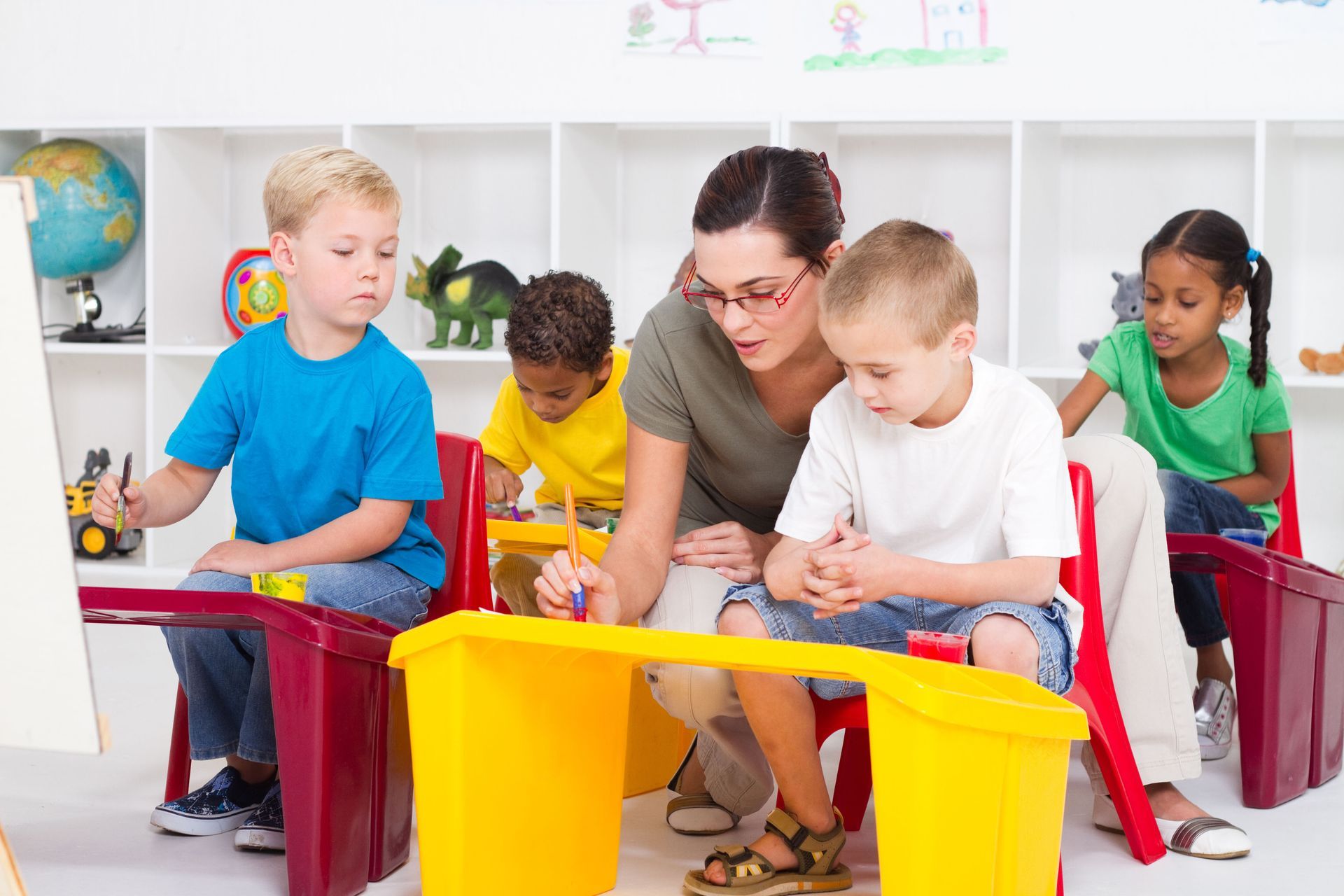
Collaborative activities, such as group art projects or teamwork exercises, teach cooperation, negotiation, and effective communication. Learning to work with others toward shared goals fosters essential life skills that benefit children academically and personally. Exposure to diversity and teamwork early on enhances understanding and appreciation for different perspectives.
Conflict resolution is another vital skill nurtured in childcare environments. Educators guide children in managing disagreements, promoting patience, compromise, and consideration of others’ viewpoints. Mastering these skills helps children navigate future social situations and develop emotional intelligence, preparing them for successful personal and professional relationships. Furthermore, children gain confidence in expressing themselves, sharing ideas, and listening to others, all of which contribute to well-rounded social competence.
5. Parent Engagement and Communication
Strong parent engagement is central to the success of childcare centers. Regular updates, parent-teacher meetings, and feedback mechanisms ensure parents stay informed about their child's progress. This communication reinforces learning at home, strengthens child development, and fosters consistency in educational goals. Parents’ insights also help educators tailor activities to meet each child’s needs effectively.
Collaborative goal-setting between educators and parents creates a unified approach to a child’s development. Shared objectives ensure consistency in educational expectations and reinforce positive behaviors. Parents become active participants in their child’s learning journey, helping to bridge school and home environments for optimal developmental support.
Childcare centers often provide additional resources, such as workshops, parenting tips, and educational materials. These tools help parents support their child’s growth and enhance the home learning environment. Engaging in special events organized by centers strengthens the parent-child-educator relationship and fosters a strong sense of community. This collaborative model also equips parents with strategies to reinforce skills at home, such as reading routines, hands-on activities, and healthy habits, creating a seamless learning experience.
6. Long-term Academic and Personal Outcomes
Children attending professional childcare centers typically exhibit higher school readiness, with well-developed language, communication, and focus skills. Structured learning and social interactions at these centers prepare children for the demands of formal education, easing transitions and reducing school-related anxiety. According to Zero to Three, 5 million children under age 3 have all available parents in the workforce, and about half are cared for regularly by non-parental providers, highlighting the importance of quality early learning programs.
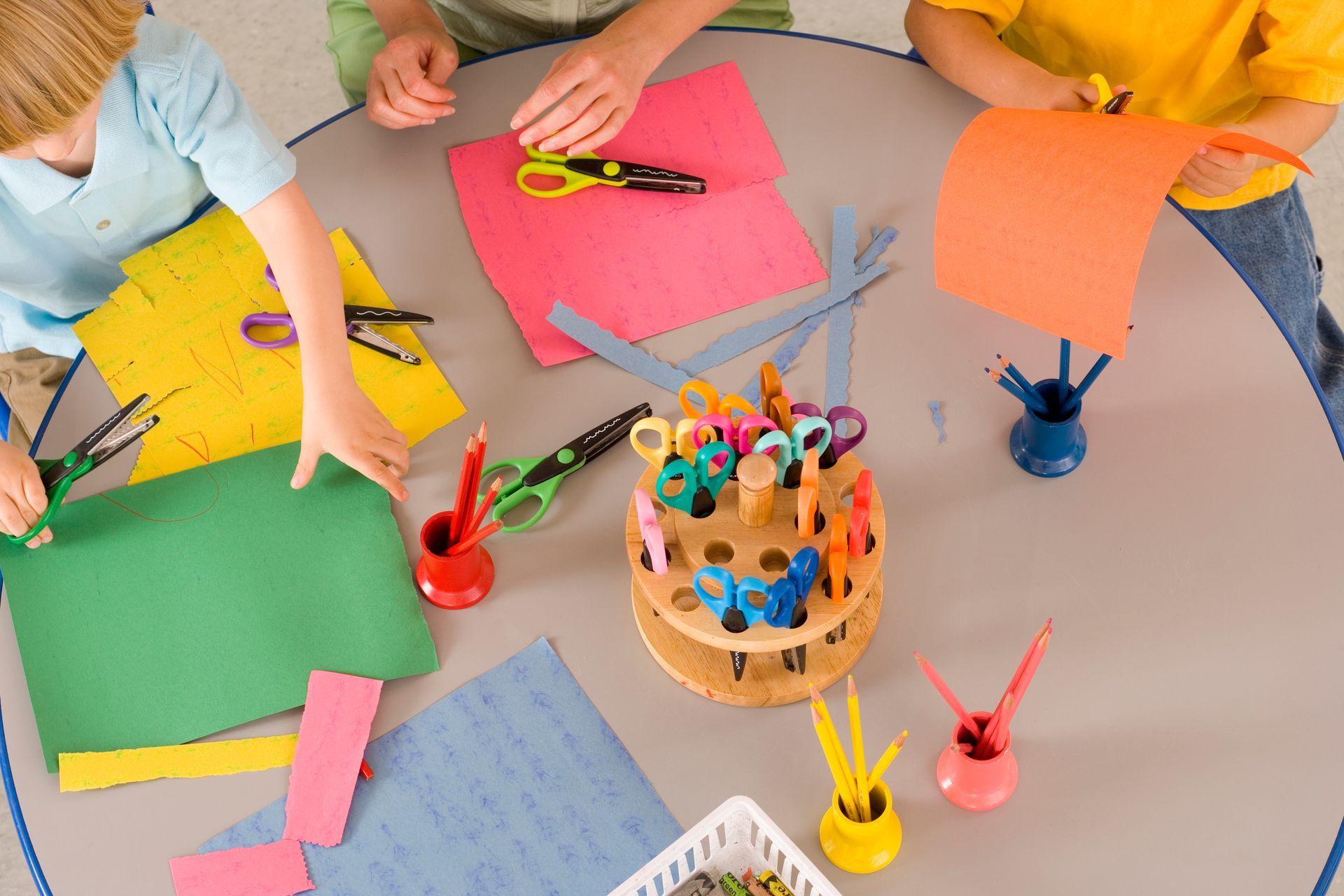
Creativity and problem-solving are fostered through activities like art, music, and imaginative play. Early engagement in creative tasks encourages children to think critically and approach challenges with innovative solutions. These skills are vital for personal growth and future academic success, nurturing confidence and a passion for learning.
Professional childcare centers provide critical support in early childhood education by combining structured learning, qualified educators, and safe, nurturing environments. Children develop cognitive, social, and emotional skills that lay the groundwork for academic success and personal growth. These centers also support working families by offering reliable care and engaging educational experiences.
Choosing a high-quality childcare center is an investment in a child’s future, fostering school readiness, social skills, creativity, and lifelong learning habits. By prioritizing early learning, parents help ensure that children gain the skills and confidence needed to thrive both in school and throughout life. High-quality childcare centers not only prepare children for academic achievement but also cultivate empathy, problem-solving skills, and independence, shaping well-rounded individuals ready to contribute positively to society. For more information, contact God's Love Overpowers Child Care.